
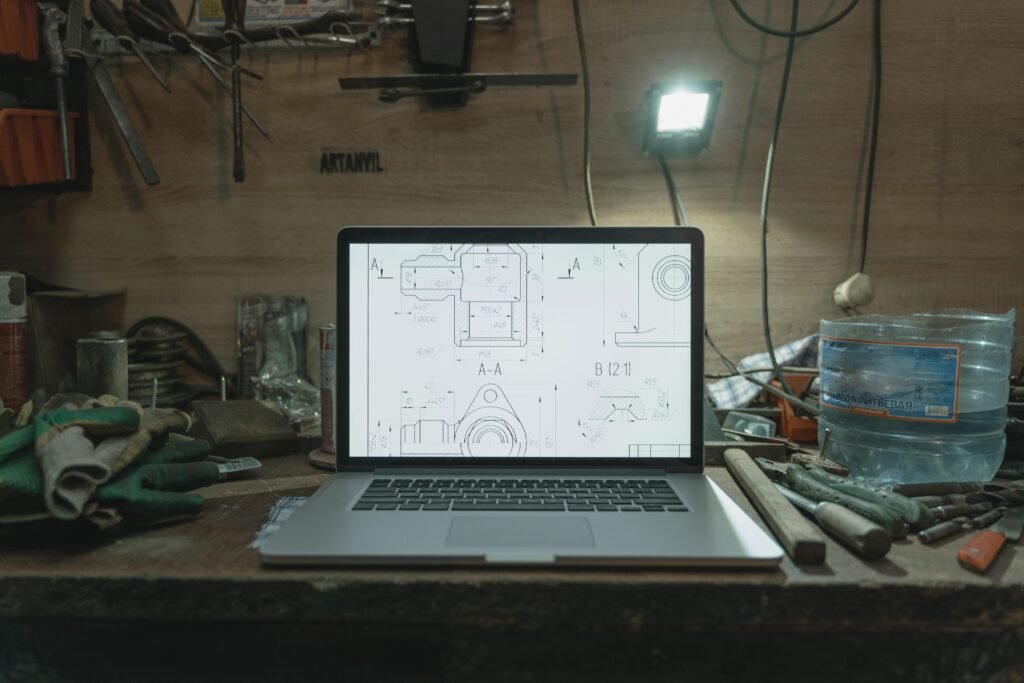
A manufacturing website needs to do more than look professional. It should help potential buyers understand your capabilities, evaluate your products or services, trust your company, and take the next step toward doing business with you.
That is why choosing the right manufacturing website design agency can have a direct impact on your online sales and lead-generation efforts. A specialized agency understands that manufacturing buyers often need detailed information before requesting a quote, scheduling a consultation, or contacting a sales team.
The right website can turn that research process into a clear buyer journey. It can showcase your equipment, production capabilities, certifications, industries served, products, and expertise while making it easy for qualified prospects to contact you.
Why Manufacturing Companies Need Specialized Website Design
Manufacturing websites have different requirements from typical business websites. Your customers may be engineers, procurement professionals, distributors, OEMs, contractors, or business owners comparing several suppliers.
These visitors often want specific answers before they make contact:
- What products or components do you manufacture?
- What materials and processes do you handle?
- What industries do you serve?
- What are your production capabilities?
- Can you meet their quality requirements?
- Where do you manufacture and deliver?
- How can they request a quote?
- Why should they choose your company instead of another supplier?
A generic website may not communicate these answers effectively. A manufacturing-focused website should organize technical and commercial information around what potential buyers actually need to make a purchasing decision.
The result should be a website that works as both a digital sales presentation and a lead-generation tool.
What a Manufacturing Website Design Agency Should Deliver
Hiring an agency is not simply about getting attractive pages. The website should support your broader sales and marketing objectives.
1. A Buyer-Focused Website Strategy
Before design begins, the agency should understand your products, target industries, competitors, sales process, and customer expectations.
This helps determine what pages you need and how visitors should move through the website.
For example, a manufacturer serving multiple industries may benefit from dedicated industry pages that explain how its capabilities solve problems in automotive, aerospace, construction, medical, or industrial applications.
2. Clear Product and Service Presentation
Manufacturing websites often contain technical information, but technical content should still be easy to navigate.
Product pages can include relevant details such as:
- Product applications
- Materials
- Manufacturing processes
- Available specifications
- Industries served
- Quality standards
- Customization options
- Supporting documentation
- Quote or inquiry options
Instead of forcing visitors to search through dense pages, the website should present important information in a logical format.
3. Strong Calls to Action
A beautiful website will not generate many opportunities if visitors do not know what to do next.
Effective calls to action can include:
- Request a Quote
- Talk to an Engineer
- Discuss Your Project
- Request Product Information
- Get a Consultation
- Contact Sales
The best CTA depends on the buying stage. Someone comparing manufacturing capabilities may not be ready to request a quote immediately, so offering a consultation or technical discussion can create another path to conversion. (manufacturing website design agency)
SEO Should Be Built Into the Website
A manufacturing website should be designed for both people and search engines from the beginning.
A strong SEO strategy can help your company appear when potential buyers search for relevant products, manufacturing processes, services, and suppliers.
For example, instead of targeting only a broad phrase such as “manufacturer,” your website may target commercially relevant searches related to specific capabilities, products, materials, locations, and industries.
Important SEO considerations include:
- Search-intent-focused page structure
- Descriptive page titles and headings
- Useful, original content
- Logical internal navigation
- Fast-loading pages
- Mobile-friendly design
- Search-friendly URLs
- Optimized product and service pages
- Relevant industry and application content
- Clear contact and conversion paths
SEO should not be treated as something added after the website is finished. The site’s structure, content, and page hierarchy should support organic visibility from the start.
Design for Manufacturing Buyers, Not Just Visitors
Manufacturing websites frequently have a sophisticated audience. Engineers may want technical specifications, while procurement teams may focus on reliability, capacity, pricing discussions, lead times, and quality requirements.
A professional design should accommodate different types of visitors without becoming complicated.
Important information should be easy to find, navigation should be predictable, and technical content should be presented in a way that remains readable.
Visual elements can also help communicate manufacturing capabilities. High-quality photographs of facilities, machinery, production teams, finished products, and quality-control processes can make a company feel more credible than generic stock photography.
[Suggested Image: Professional manufacturing facility showing production equipment and quality-control operations]
Features That Can Improve Lead Generation
The right features depend on your business model, but several can make a manufacturing website more useful for potential customers.
Product and Capability Pages
Dedicated pages give search engines more relevant content while giving buyers a focused place to evaluate a particular product or capability.
Quote Request Forms
A well-designed quote form can collect useful information without overwhelming the visitor. Depending on your sales process, this might include product requirements, quantity, material, drawings, specifications, or project details.
Case Studies
Case studies can demonstrate how your company has solved real customer problems. They are particularly valuable when buyers need evidence of technical expertise or industry experience.
Certifications and Quality Information
If relevant to your business, clearly presenting certifications, quality systems, testing capabilities, and compliance information can help reduce uncertainty during supplier evaluation.
Downloadable Resources
Product catalogs, specification sheets, brochures, and technical documents can support buyers who need more information before contacting sales.
How to Choose the Right Manufacturing Website Design Agency
Not every web design company is equipped to build an effective B2B manufacturing website.
When comparing agencies, look beyond visual design.
Ask potential agencies:
- Do you understand B2B and manufacturing sales cycles?
The agency should understand that industrial purchases may involve multiple decision-makers and longer consideration periods. - Can you support SEO as part of the website project?
A strong design without a search strategy may limit your ability to attract new prospects organically. - How will you improve conversions?
The agency should be able to explain how navigation, page content, forms, CTAs, and landing pages will support lead generation. - How will technical content be handled?
Manufacturing websites often require detailed product and process information. The agency should have a clear content strategy rather than relying on generic copy. - Can the website be expanded later?
Your website may eventually need additional products, industries, resources, locations, or marketing campaigns. Choose a platform and structure that can accommodate growth.
A good agency should be able to connect design decisions to business objectives rather than simply showing you attractive layouts.
Common Manufacturing Website Mistakes to Avoid
Even established manufacturers can lose potential leads because of avoidable website problems.
One common issue is unclear messaging. If visitors cannot quickly determine what you manufacture or who you serve, they may leave before exploring the site.
Another is weak product information. Buyers need enough detail to determine whether your company is a potential fit.
Other problems include:
- Outdated facility or product photographs
- Difficult navigation
- Slow page performance
- Poor mobile usability
- Generic marketing language
- Hidden contact information
- Long or confusing inquiry forms
- Missing industry-specific content
- No clear conversion path
- Pages that are difficult to find through search
Fixing these issues can improve the experience for both existing customers and new prospects.
A Website Should Support Your Sales Team
One of the biggest advantages of a professionally designed manufacturing website is that it can work alongside your sales process.
Instead of answering the same basic questions repeatedly, your website can provide prospects with product information, capability details, certifications, applications, and supporting resources before they contact your team.
This can make sales conversations more productive because prospects arrive with a better understanding of your company.
Analytics can also help identify which pages attract the most attention, which forms generate inquiries, and where visitors leave the website. Those insights can guide future improvements.
Is a Manufacturing Website Redesign Worth It?
A redesign can make sense when your existing website no longer represents the quality or capabilities of your business.
Consider a redesign if:
- Your website looks outdated compared with competitors.
- Customers struggle to find product information.
- Organic search traffic is weak.
- Your website generates few qualified inquiries.
- Your sales team regularly sends information that should be available online.
- The site performs poorly on mobile devices.
- Adding new products or services is difficult.
- Your messaging does not clearly communicate your competitive advantages.
A redesign should not simply change colors, fonts, and images. The goal should be to create a stronger digital sales and marketing asset.
Frequently Asked Questions
How much does a manufacturing website design project cost?
The cost varies significantly depending on the number of pages, content requirements, integrations, functionality, SEO work, and level of customization. A simple corporate website and a large manufacturing website with hundreds of products require very different levels of work.
How long does it take to build a manufacturing website?
Project timelines depend on the site’s size, content availability, approval process, functionality, and technical requirements. A well-planned project should establish the sitemap, content, design, development, testing, and launch stages before work begins.
Should SEO be included in a manufacturing website project?
Yes. SEO should be considered during planning, content creation, information architecture, and development rather than added as an afterthought. This gives important pages a stronger foundation for organic visibility.
What pages should a manufacturing website include?
Common pages include Home, About, Products, Services or Capabilities, Industries, Quality, Resources, Case Studies, and Contact. The exact structure should reflect your products, customers, sales process, and search opportunities.
Can a manufacturing website generate sales leads?
Yes. A well-planned website can support lead generation through targeted content, product pages, quote forms, strong calls to action, case studies, search visibility, and useful resources. However, results depend on factors such as market demand, competition, traffic quality, content, and the effectiveness of the sales process.
Conclusion
A manufacturing website should be more than an online brochure. It should clearly communicate your capabilities, build confidence with potential buyers, support your sales team, attract relevant search traffic, and make it easy for qualified prospects to start a conversation.
Choosing the right manufacturing website design agency means looking for more than attractive design. Prioritize an agency that understands B2B buying behavior, technical content, SEO, conversion strategy, usability, and long-term website growth.
The best starting point is to define what you want the website to accomplish-more quote requests, stronger organic visibility, better-qualified leads, or a clearer presentation of your capabilities-and then choose a web partner that can connect the website directly to those business goals.